
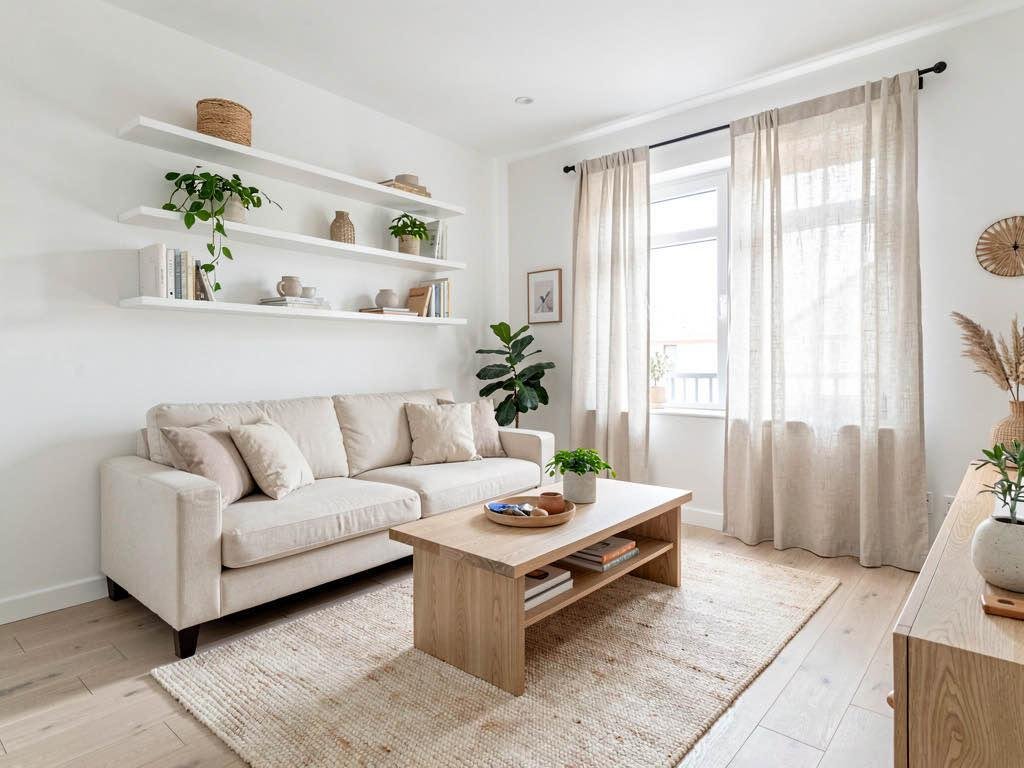
Introduction
It’s not always easy to make a stylish and functional space that fits all of the necessary elements for seating, storage and a focal point in a small living room without making it feel cramped. But that doesn’t mean that you have to sacrifice comfort or style for a limited square footage. With some creativity and thoughtful planning, you can make a comfortable area in the smallest of spaces for unwinding, entertaining and spending time with friends and family.
The main objective of designing an interior living room in a small house is to utilise every element of the ‘living room’. The size of furniture, natural light, color schemes, storage options and easy walkways all impact the open the feeling of a room.
Not a lot of costly furniture or a complete house renovation is necessary. Some of the easiest adjustments that you can make, such as moving your sofa, getting a right rug or finding a table that can be used for two purposes, can go a long way.
If you want to make your small living room modern, comfortable and functional, here are 10 practical ideas to help you with that.
1. Choose furniture that saves space. Purchase space-saving furniture
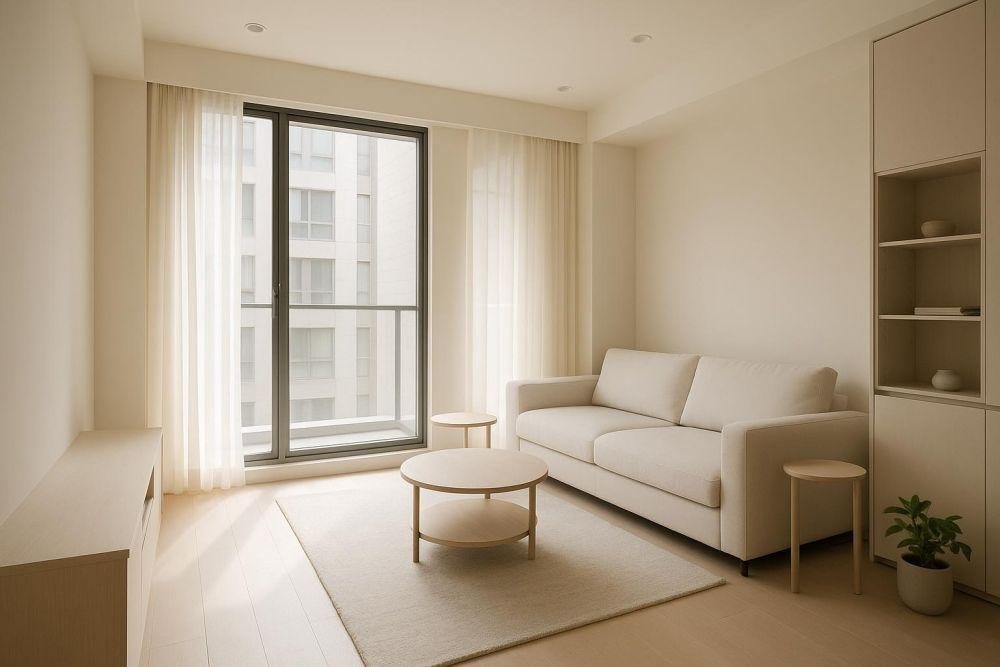
One of the most frequent small living room misdeeds is to purchase furniture that is too large for the small living room. If the sofa is too large or the coffee table is too cumbersome, it will limit the space for people to move around and will make the room feel cramped.
Take the length and width measurements of the room before going shopping. List any permanent features, like electrical outlets, windows and doors. Then, measure potential furniture pieces and consider the space required to move about furniture.
Forced seating, a large sofa sectional may not be necessary; a smaller 2 or 3 sofa might do the job. Use side tables that are thin enough, as well as side tables with exposed legs, to make everything appear lighter, and use furniture with exposed legs to achieve the same effect.
For example, if you want some decent seating but don’t want to fill up an entire room, a small sofa and a narrow console table can be perfect.
Here’s a helpful tip: Put tape on the floor of the furniture you are interested in! This will help you get a feeling for how the arrangement will work out prior to spending cash.
2. Use Light Colors to make an open look:
There’s something about colour that makes rooms appear bigger. When used properly, light colors reflect light, and can help make a small living room look brighter and more open.
For walls or large areas, use warm, white, cream or pale beige or soft gray. These shades are also good as a base for modern decor and furnishings, as well as for decorative accessories.
Something to add some character is darker cushions, framed art, accent wall or a patterned rug. Soft green, muted blue and terracotta can help to add color to a room without overwhelming it.
Make the colors coordinated by repeating some of them in the space for a coordinated appearance. For instance, the serene modern layout featuring cream walls, beige sofa, light wood furnishings and sage green cushions.
Keep in mind light and window orientation will alter the appearance of colors. This is because it is advisable to test paint samples in the room that it is intended for before making any decisions.
3. Make use of furniture to improve movement. Organize furniture to allow for easy moving
If you are decorating a small living room, then careful planning is essential so that it can be used to its best advantage. The aim is to provide a welcoming and comfortable seating area with the main walking routes unobstructed.
The initial step is to figure out the primary function of the room. If TV viewing is a regular habit, set-up seating to make viewing comfortable. Choose a situation that encourages easy communication if you’re a regular house guest.
Do not stack furniture in doorways or to limit access to windows. If the room is narrow, the optimal sofa arrangement could be to place the sofa next to a longer wall, depending on the dimensions and form of the room.
A round coffee table will be easier to maneuver around in the seating area. If needed, nesting tables can be provided for additional nesting surfaces, as well as stored after they are used.
Tips: Experiment with 2-3 layouts with the furniture you will have before you purchase any additional furniture. In many situations, it’s better to relocate furniture in a new method, rather than to add more furniture.
4. Make the Most of Vertical Space
When space is limited, walls can provide excellent storage and display areas.
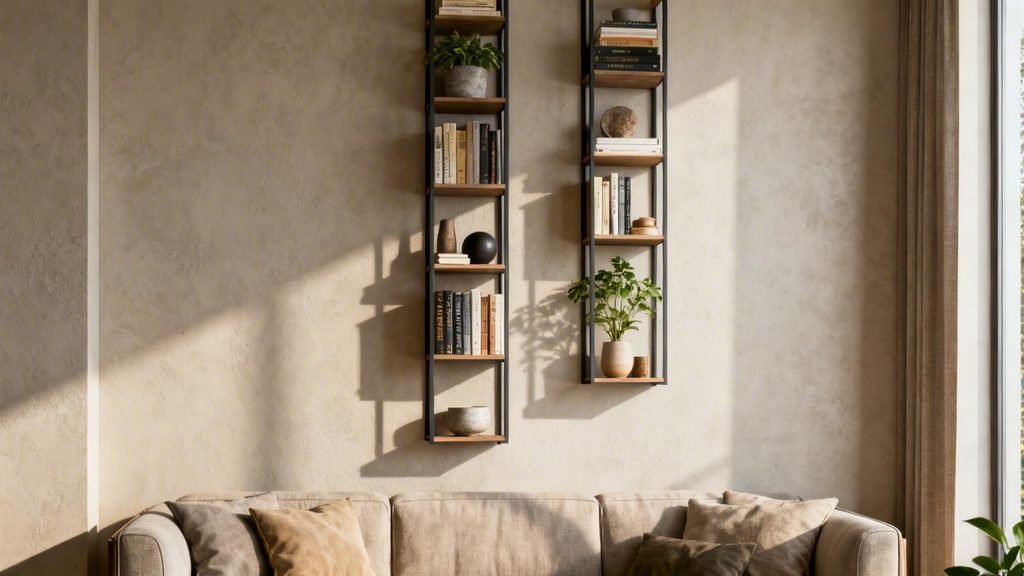
Hang the right floating shelves to hold books, framed photos or other small decorative items. A long narrow book case will not take up as much floor space as will a wide book cabinet.
Wall-mounted lights can save space on your side table and a wall-mounted TV can eliminate the need for a large entertainment centre, if the wall and mounting suit the TV.
Place heavier items at a convenient distance and follow the manufacturer’s guidelines for installation of shelves or brackets. Choose appropriate fixings for attaching wall materials and load.
Don’t over load all the walls with shelves. As a rule, in a room there will be fewer decorative items around, and it will be cleaner as a result.
5. Select Multifunctional Furniture
Ideally suited to use in small house settings, multifunctional furniture can be used for a variety of purposes.
A storage ottoman can be used as a foot rest, extra seat and blanket storage. A lift-top coffee table can be used as a work surface or to store everyday items but can also be used as a work surface for activities like work or meals. The additional guest rooms can be built on top of the existing rooms to offer extra sleeping space for guests, without altering the size of the building.
If your living room is used as the guest room, you can convert the sofa into a bed. If the living room is also used for a work area, a small desk or fold away desk might be more convenient than the standard desk.
When considering buying multifunctional furniture always consider ease of opening, space needed when spread out and comfort when using it frequently.
Avoid buying products with more than one use; choose products that will benefit from a problem in your home.
6. Wisely use Mirrors and Natural Light
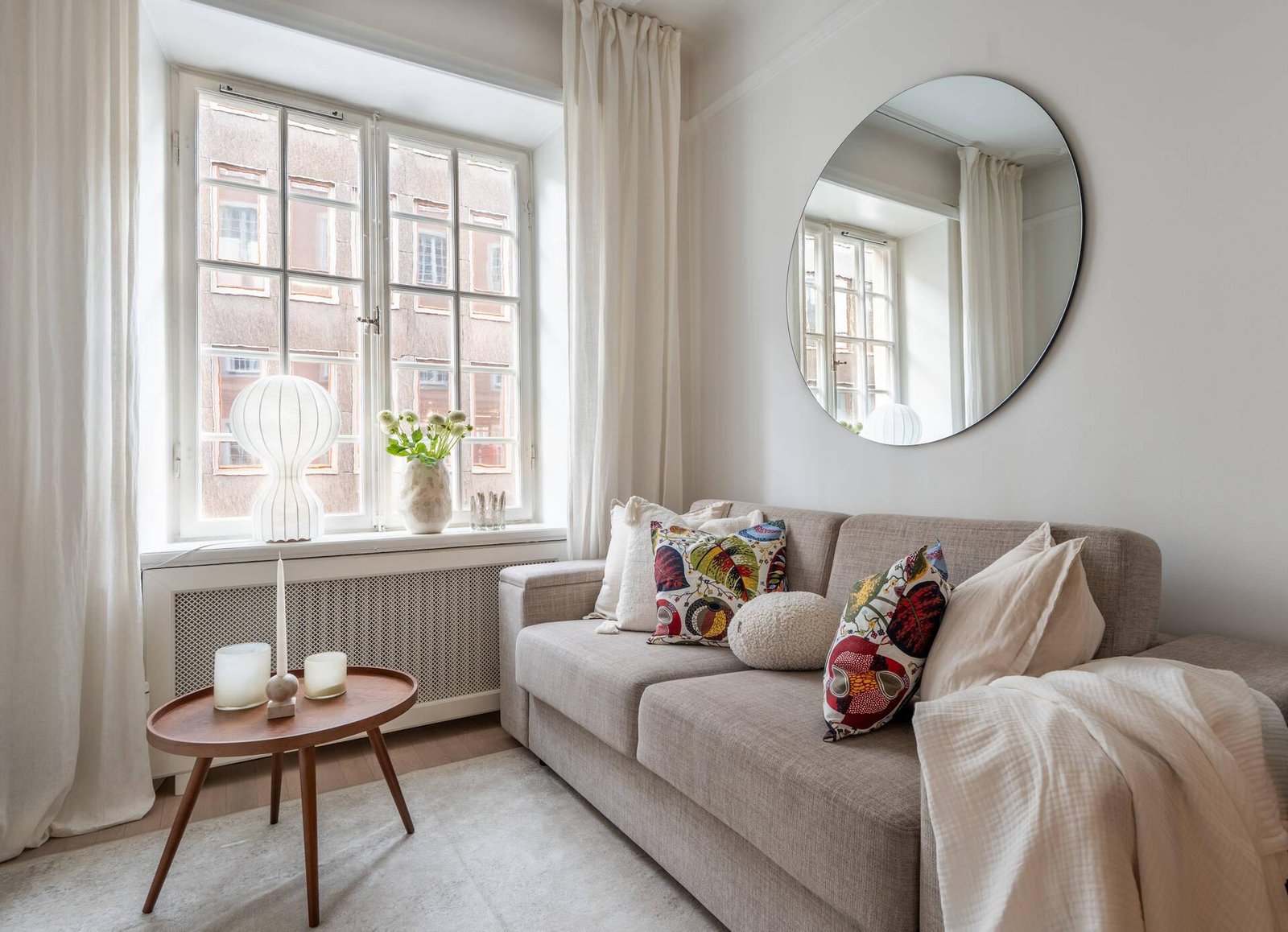
Natural lighting in a compact living space can be of great help to make the space welcoming and luminous. Keep windows clear and ensure proper window coverings for privacy, but not so much as to block too much light.
Lighter curtains will allow the room to be light and bright during the day. For blinds choose a kind which can effectively control the degree of privacy and sunlight.
Other factors that can enhance the depth illusion include the use of mirrors. Find a place that it will look good against a window or a nice window treatment. There is a great opportunity to have a large mirror above a console table as a decorative and light-spreading element.
Try not to position mirrors as a reflection of clutter or to cause discomfort.
Mirrors don’t actually make a room size bigger, but with some imagination, a small room can look bigger with their strategic placement.
7. Choose the best Rugs and Curtains
Rugs and curtains can affect the dimensions of a living room. Choosing the right dimensions will help the area not appear uncoordinated.
A too small rug will prevent a feeling of connection in the seating area. If possible, select a room that will accommodate the front legs of the principle seating units.
If hanging curtains, hang the rod a little over the window frame, if possible. This can result in the curtains hanging off the window when it is open and the appearance of a taller or wider window.
Select colors that complement the walls and sofa. Neutral colours are calming base hues and light patterns can be an interesting element to enhance a space without dominating it.
Be careful to take proper measurements prior to purchasing either. It’s often the right proportion, rather than a costly design, that counts.
8. Spend a little money on lighting for comfort and style with Feature Simple Lighting.
With good lighting, your small living room can do a variety of things throughout the day.
Light for general use for daily living and use a table lamp or floor lamp for reading and relaxing. If there is a lack of side tables, wall mounted items may be helpful.
Select the right light bulbs for the job and environment desired. Warm-white lights can be used to add a cozy ambiance to an evening while neutral lights can be beneficial for reading or intricate work.
Choose decorative lights to provide supplemental light only in rooms where there is a necessity for extra light. Any lighting plan should be balanced so as to give the required visibility without creating glare.
Don’t install new electrical outlets or make electrical changes without the advice of a licensed electrician.
9. Minimize and individualize decorations.
Adding decorative accessories can add a sense of feeling personal to a living room, but too many small items can make it visually cluttered.
Choose some pieces in the same color palette as the room. Just a frame print, a ceramic vase, a small plant or a favorite family photo can add character with limited space.
Use a tray or shelf for smaller items, or avoid placing on any surface.
If you have some greenery at home, you can use house plants to add some natural color, but be sure to select the right kinds for your lighting. Check the safety of a plant when buying a pet.
A single piece of artwork can also serve as a focal point instead of a number of unrelated decorations.
Its intent is to create a more homey feel to your living room, instead of a room where you’re showing off to the world with accessories.
10. Creating a budget small living room makeover
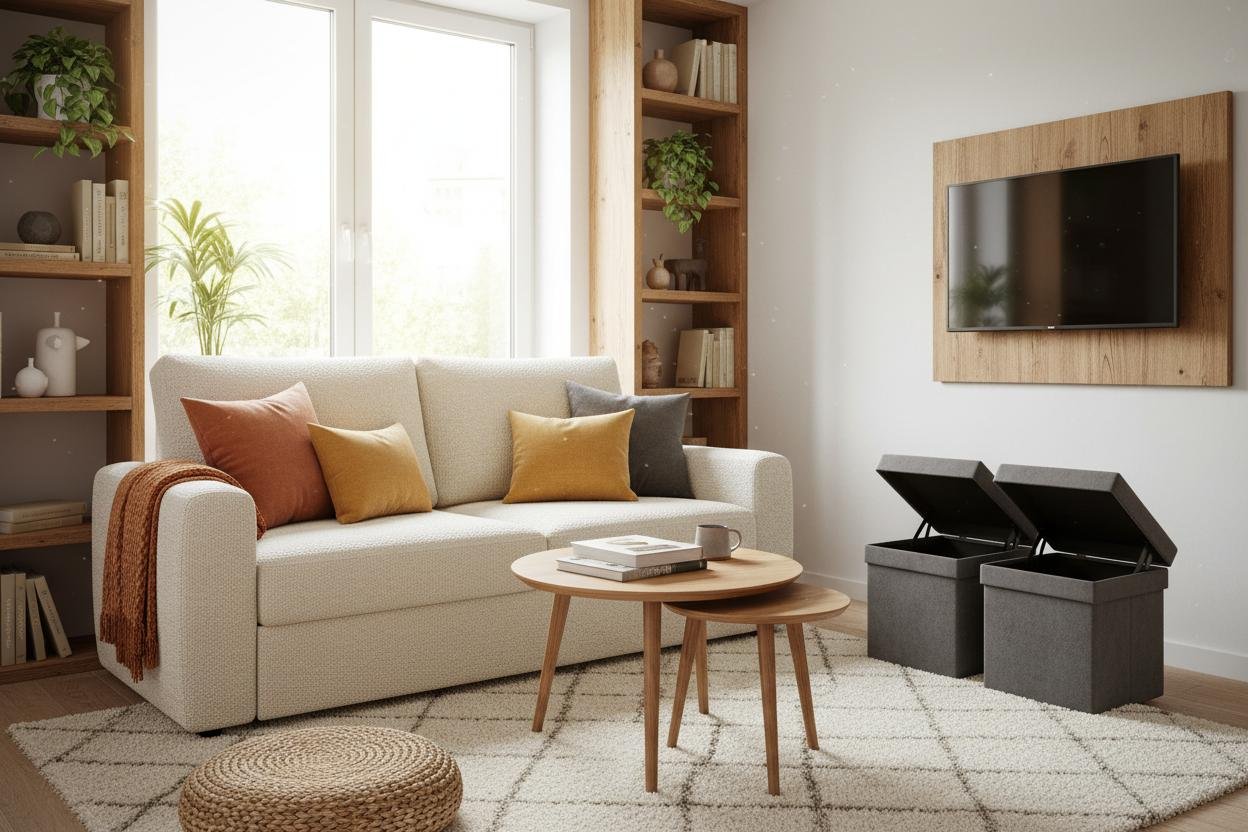
Not all of the furniture should be removed to improve the compact living room.
Begin by playing free changes. Clear away clutter, clean windows, tidy up sofa and tidy up cables that can be seen. Next, choose 1 or 2 areas that might need some work.
You may choose to purchase a budget friendly cushion cover, a good used side table, framed prints or a used lampshade. For anyone who wishes to update their furniture, they can just repaint a suitable furniture item.
Compare the benefit of the purchase to the cost before making any purchases. Sometimes a relatively inexpensive change in the placement of furniture or in lighting may be all that is needed if the sofa is the real culprit.
Develop an easy budget and make the most critical improvements first.
Instead of purchasing a few items to fill the space, try to purchase a sofa that is small enough to fill the space, a rug that is a decent size, a mirror, a storage ottoman, etc. to give a more functional living room.
Frequently Asked Questions
So how to design a modern living room in a tiny house?
Use furniture appropriately in terms of size, arrangement and colour scheme. Utilise vertical space for space, proper lighting and multi-purpose furniture to make the area more functional and usable.
Last but not least, which is the most suitable sofa for a small living room?
If the room is small and the family is small, a sofa to sleep on that sleeps two or three may be a good choice. Determine the amount of space and ensure the sofa does not block any areas for easy movement.
What colors will make a small living room appear larger?
Lighten up a room with warm white, cream, pale beige and soft gray. The size of the furniture, the space arrangement and the amount of natural light also have an impact on how spacious the room looks.
What are clever ways of decorating a small living room on a budget?
Move furniture around, declutter, install inexpensive wall art, enhance lighting and select convenient accessories. Re-use and purchase of second hand items – where appropriate – will save money.
In short, when it comes to a living room size, the minimalist is suitable.
Yes. The simplicity of minimalism can work for it, as it centres on utilitarian furniture, simple surfaces and considered decoration. It is possible to add colourful accessories, family photos and cosy fabrics to create a more homey atmosphere.
How to add storage space with out making the room crowded?
Utilize vertical shelves, storage ottomans, nesting tables and narrow cabinets. Do not fill up storage if you only need or want to use a small portion of it and use only the items you need or enjoy.
Conclusion
When all design elements complement a small space, a small living room can be both modern and comfortable. The right furnishings, room storage solutions, matching colors, lighting and strategic accessories can enhance the space without a major remodel.
The first rule of designing a small house living room is that you need to think about your needs and not the latest fad. Take into account the purpose of the area in your house, measure before purchasing furniture and leave enough space for getting around.
Make one change a day (such as changing the seating or cleaning up, etc.). To undertake other improvements as funds are available. With a bit of imagination, even the smallest living room can be an elegant and comfortable space of your home.