
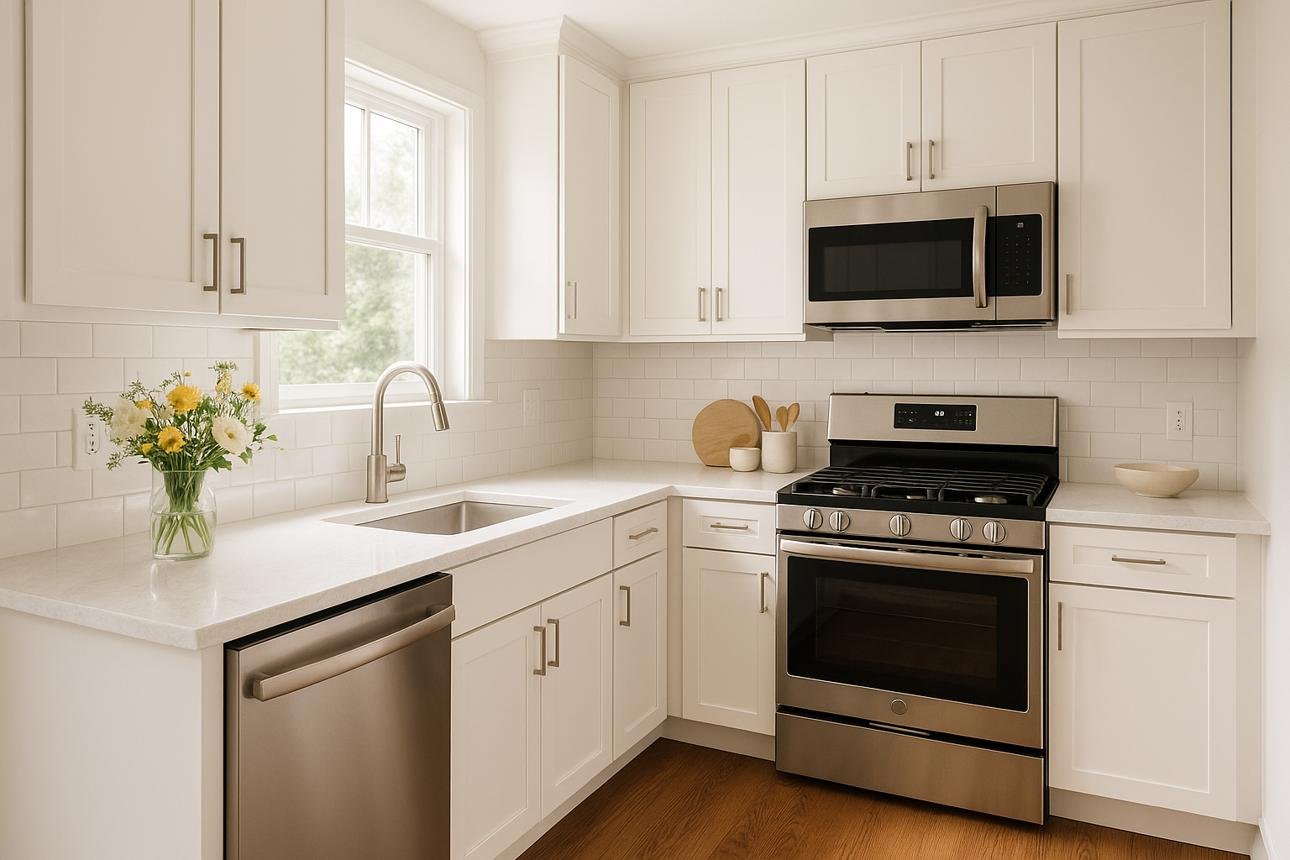
Upgrading a kitchen does not have to mean spending thousands of dollars on new cabinets, expensive countertops, and high-end appliances. In many homes, a few carefully chosen changes can make the space look cleaner, feel more modern, and work better for everyday cooking. The secret is knowing where to spend money and which improvements you can postpone.
If you are wondering what is the cheapest way to upgrade a kitchen, start by looking at what you already have. Cabinets that remain structurally sound may only need cleaning and fresh paint. Outdated handles can be replaced, cluttered countertops can be organized, and poor lighting can often be improved without a complete renovation.
A budget-friendly kitchen makeover also begins with a clear plan. Identify the problems that bother you most, set a spending limit, and prioritize improvements that offer practical benefits. This approach helps you avoid unnecessary purchases and keeps the project manageable.
In this guide, you will learn affordable kitchen renovation ideas, simple DIY improvements, common expenses to watch out for, and ways to refresh your kitchen without sacrificing quality or functionality.
1. Refresh Existing Cabinets Instead of Replacing Them
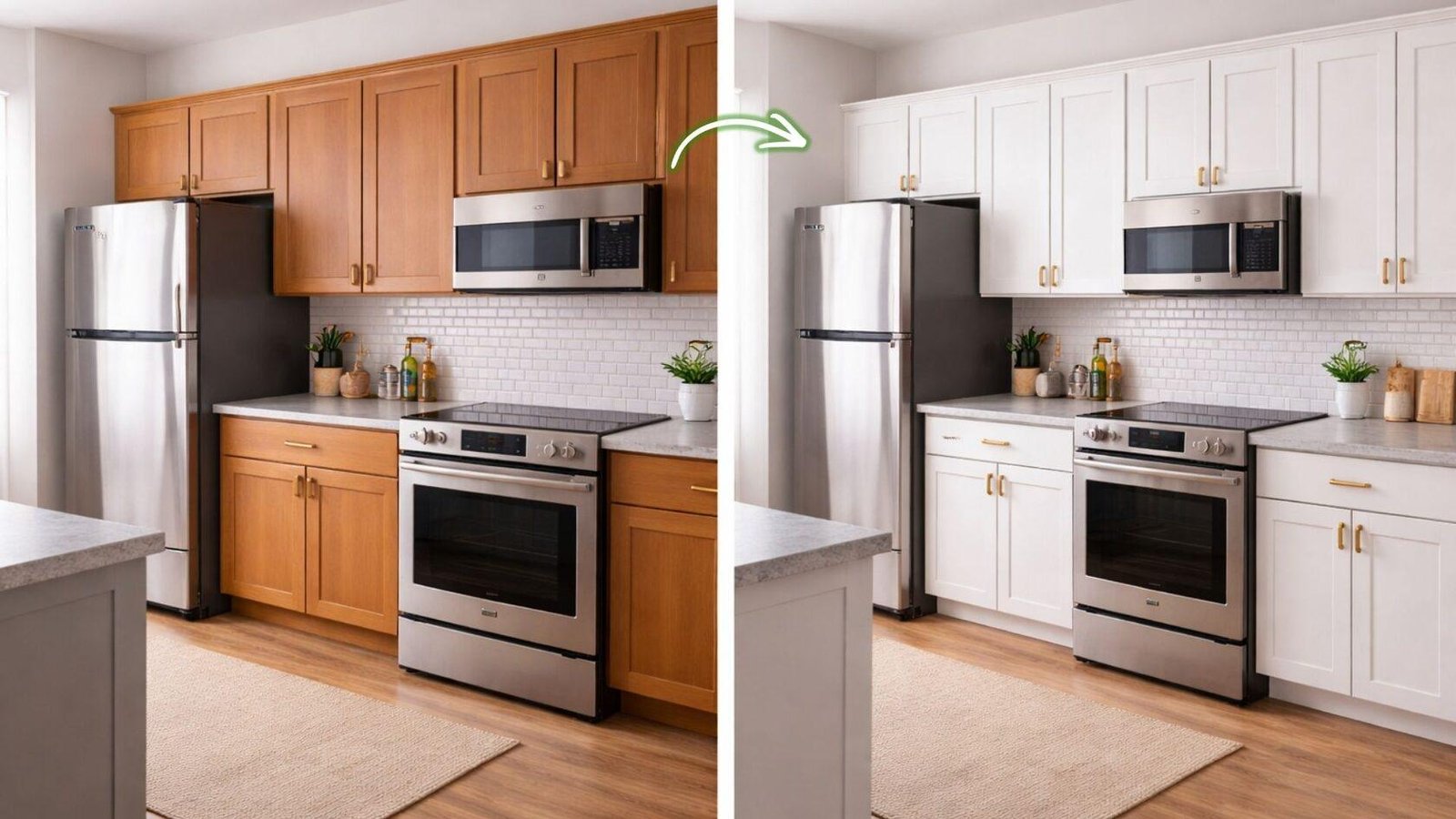
Cabinets often dominate the appearance of a kitchen. When their finish looks old or the doors have become discolored, the entire room can feel dated. However, replacing every cabinet can be one of the more expensive parts of a renovation.
If your cabinets are sturdy, level, and free from serious water damage, refreshing them may be a more affordable option.
Start by removing grease and dirt with a cleaner suitable for the cabinet material. Tighten loose hinges, repair minor surface damage, and remove the doors if you plan to paint them. Follow the paint manufacturer’s preparation instructions, including any required sanding, primer, and drying time.
Choose a color that works with your existing countertops and flooring. Warm white can brighten a small kitchen, while soft gray, beige, or muted green can introduce a little more character.
You do not necessarily need to paint every cabinet. Painting only the lower cabinets or a kitchen island can create a two-tone design while reducing the amount of work involved.
A practical money-saving tip: Replace damaged doors individually when possible instead of automatically purchasing an entirely new cabinet system. Compare the cost of replacement doors, refinishing, and full replacement before deciding.
Cabinet restoration is not suitable for every situation. Swollen particleboard, persistent moisture damage, serious structural problems, or cabinets that no longer meet your storage needs may justify replacement.
2. Replace Cabinet Handles and Knobs for an Instant Update
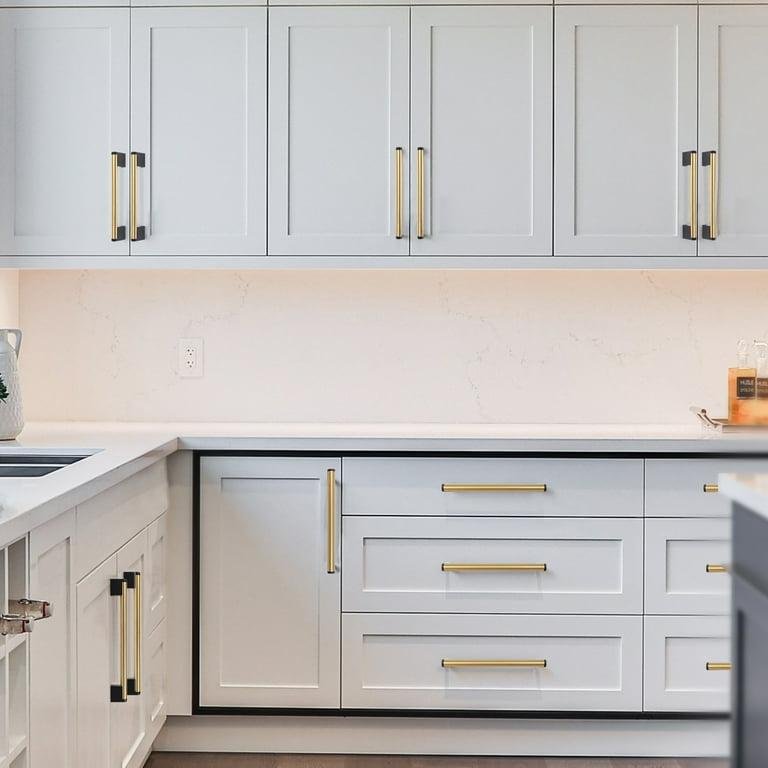
One of the simplest ways to make a kitchen feel newer is to replace outdated cabinet hardware. Old, mismatched, or worn handles can make otherwise attractive cabinets look neglected.
Modern hardware is available in a wide range of finishes, including matte black, brushed nickel, stainless steel, and brass. The best choice depends on your kitchen’s existing colors and fixtures.
Before buying anything, measure the distance between the screw holes on your current handles. Choosing replacements with the same spacing can save time and help you avoid drilling new holes or filling old ones.
If your cabinets use knobs, consider whether handles would be more comfortable to grip. However, keep the design consistent throughout the kitchen so the finished appearance feels intentional.
You can also clean and reuse existing hardware if it is still in good condition. Sometimes, removing accumulated grease and restoring the finish is enough to improve its appearance.
This small project is particularly suitable for DIY work because it usually requires only basic tools and careful measurements. Nevertheless, avoid overtightening screws, which can damage cabinet doors or strip the screw holes.
3. Give the Kitchen a Deep Clean and Remove Clutter
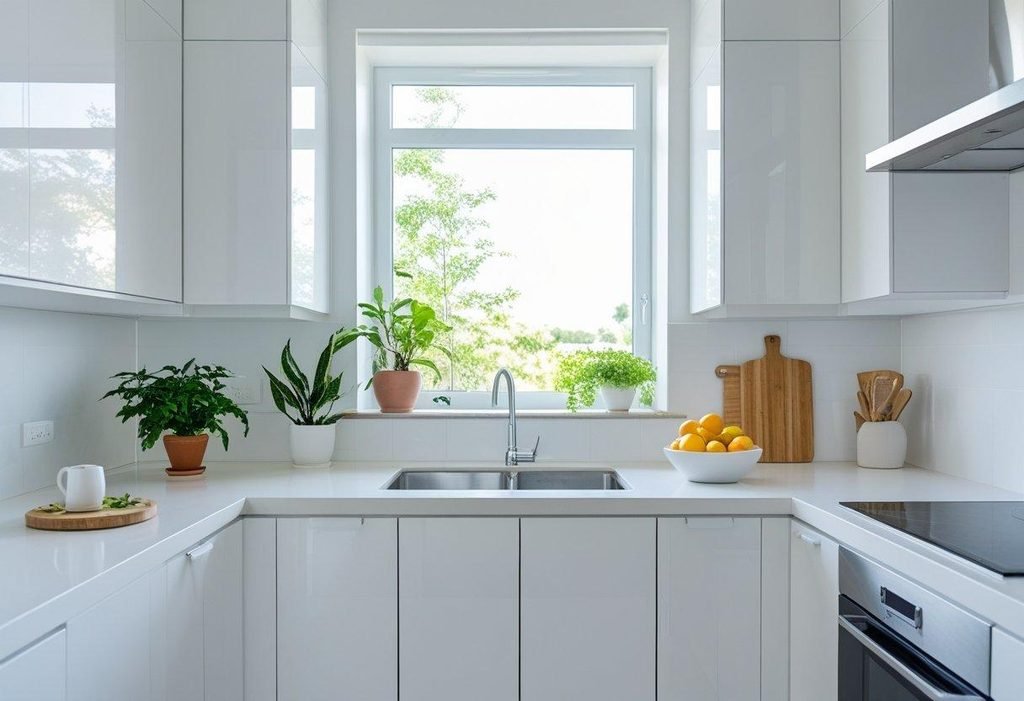
Before buying new materials, give your kitchen a thorough clean. Grease on cabinet doors, dirty grout, dusty light fixtures, and cluttered countertops can make a room look older than it really is.
Begin by removing everything from your countertops. Clean the surfaces with products appropriate for the material, and pay particular attention to the areas around the stove, sink, and frequently used appliances.
Next, organize your cabinets and drawers. Remove expired food, donate usable items you no longer need where appropriate, and group similar products together. Store everyday cooking tools near the areas where you use them most often.
Keep only the appliances you regularly use on the countertop. Moving occasional-use equipment into a suitable cupboard can make the work surface appear larger and create more room for food preparation.
Do not forget the smaller details. Clean window glass, wash washable curtains, wipe light switches, and remove grease from extractor hoods according to the manufacturer’s instructions.
These tasks require more effort than money, yet they can make a noticeable difference. They also help you identify which parts of the kitchen genuinely need repair or replacement.
Budget tip: Complete the cleaning and decluttering stage before shopping for organizers or decorative accessories. You may discover that you already have enough storage once everything is arranged properly.
4. Improve Lighting Without Replacing Every Fixture
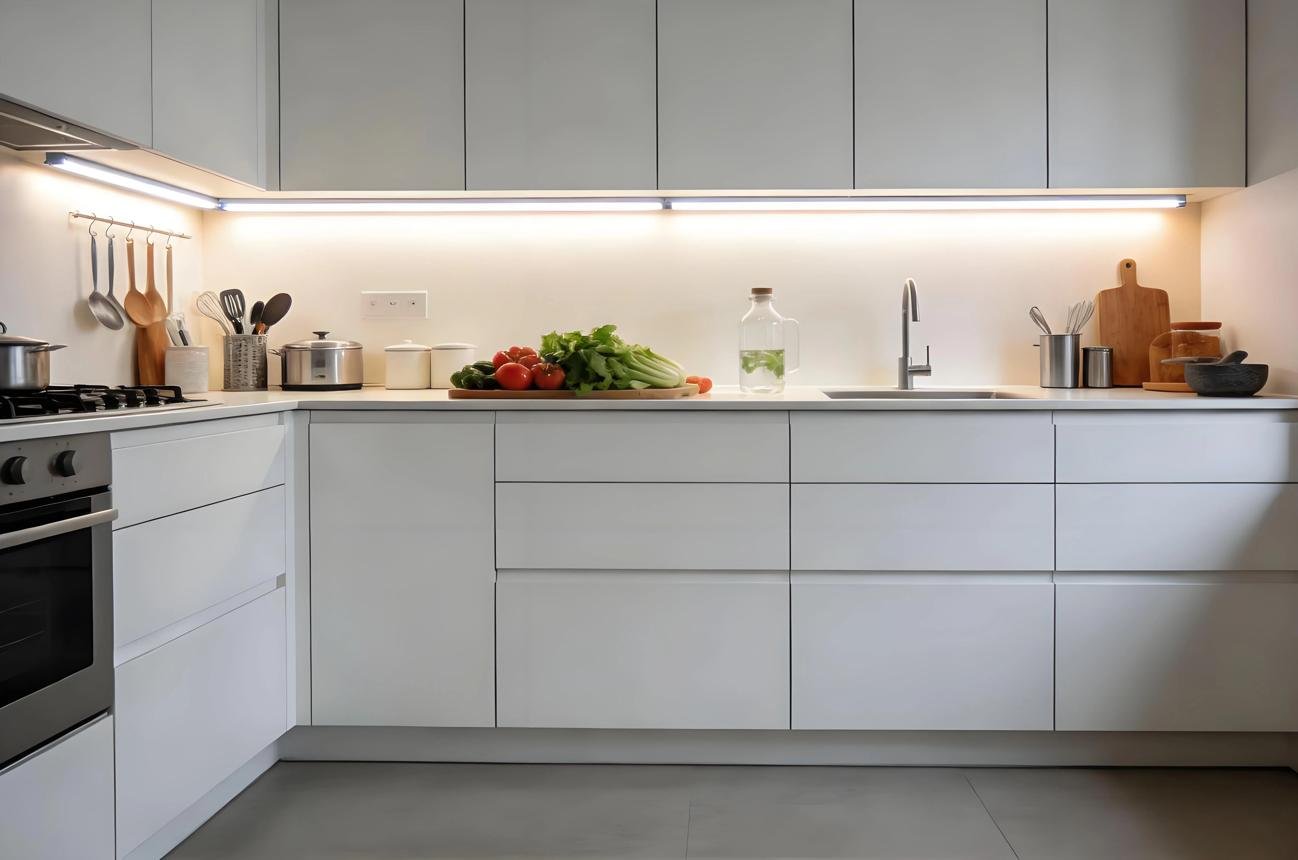
Poor lighting can make a kitchen feel cramped, dull, and uncomfortable to work in. Fortunately, you may be able to improve illumination without replacing the entire electrical system.
Start by making the most of natural light. Clean windows, remove unnecessary obstructions, and use window treatments that allow daylight into the room while preserving privacy.
Next, consider adding under-cabinet LED lighting. These lights illuminate the countertop directly, making food preparation easier and reducing shadows beneath upper cabinets. Select a product designed for the intended location, and follow its installation and electrical safety instructions.
If the main ceiling light is outdated, replacing it with an efficient, appropriately sized fixture may improve the room’s overall appearance. Choose lighting that provides adequate brightness without creating uncomfortable glare.
For a balanced result, combine general room lighting with focused illumination over the areas where you cook and clean. A decorative light alone may not provide sufficient task lighting.
Avoid installing fixtures in unsuitable locations near water or heat sources. If the project involves new wiring, additional circuits, or changes to existing electrical connections, consult a qualified electrician.
You can also improve the appearance of your current fixtures by cleaning them carefully, provided the power is switched off and the manufacturer’s safety instructions are followed.
5. Update the Backsplash on a Budget
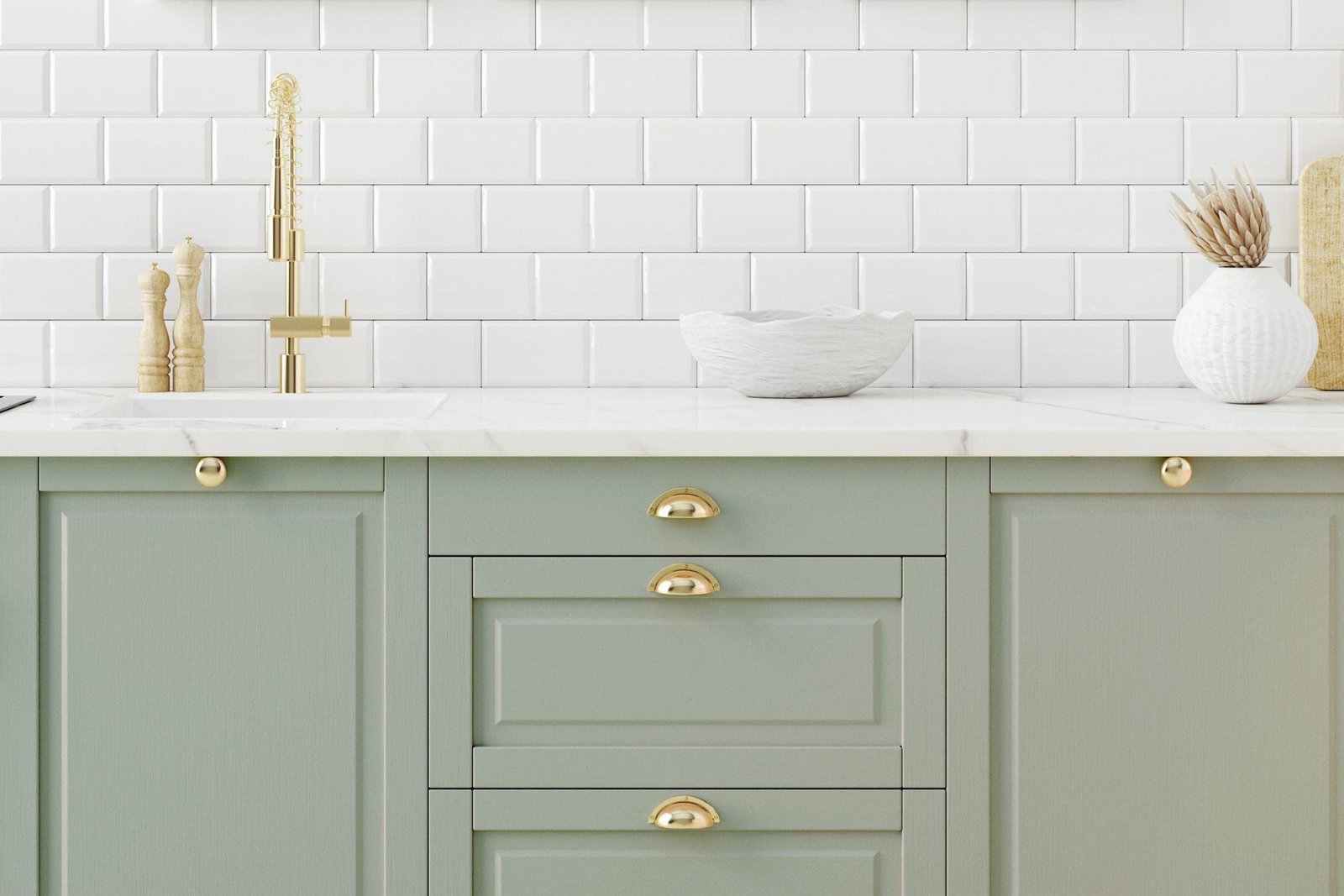
A backsplash can add color and protect the wall behind a sink or cooking area. However, a full backsplash replacement may not be necessary if your existing surface remains sound and easy to clean.
First, inspect the current backsplash. Remove grease and surface dirt, clean suitable grout, and repair minor issues using products designed for the material. If the existing tiles are in good condition, cleaning alone may improve their appearance.
If you want a bigger change, focus on the most visible section rather than replacing every wall covering. A small area behind the sink or along the main countertop may be enough to refresh the design.
Affordable ceramic tiles are available in many colors and patterns. Simple designs can work particularly well with existing cabinets because they do not require you to redesign the entire room.
Peel-and-stick products may suit certain cosmetic projects, but check whether they are compatible with your wall surface, moisture exposure, and the manufacturer’s specified heat limits. Do not use products near cooktops or other heat sources unless they are explicitly rated for that application.
When comparing options, include the cost of surface preparation, adhesives, grout, tools, and installation. A product with a low purchase price may not be the cheapest overall solution if it requires extensive preparation or frequent replacement.
Choose a finish that complements your current countertops. A coordinated design can look more expensive than it actually is.
6. Make Better Use of Your Existing Storage
A cluttered kitchen often feels too small, even when it has enough cabinet space. Improving how you use existing storage can reduce frustration without requiring new cabinets.
Begin by placing frequently used items where they are easiest to reach. Keep everyday plates and glasses near the areas where you serve food, and arrange cooking utensils close to the stove or preparation counter.
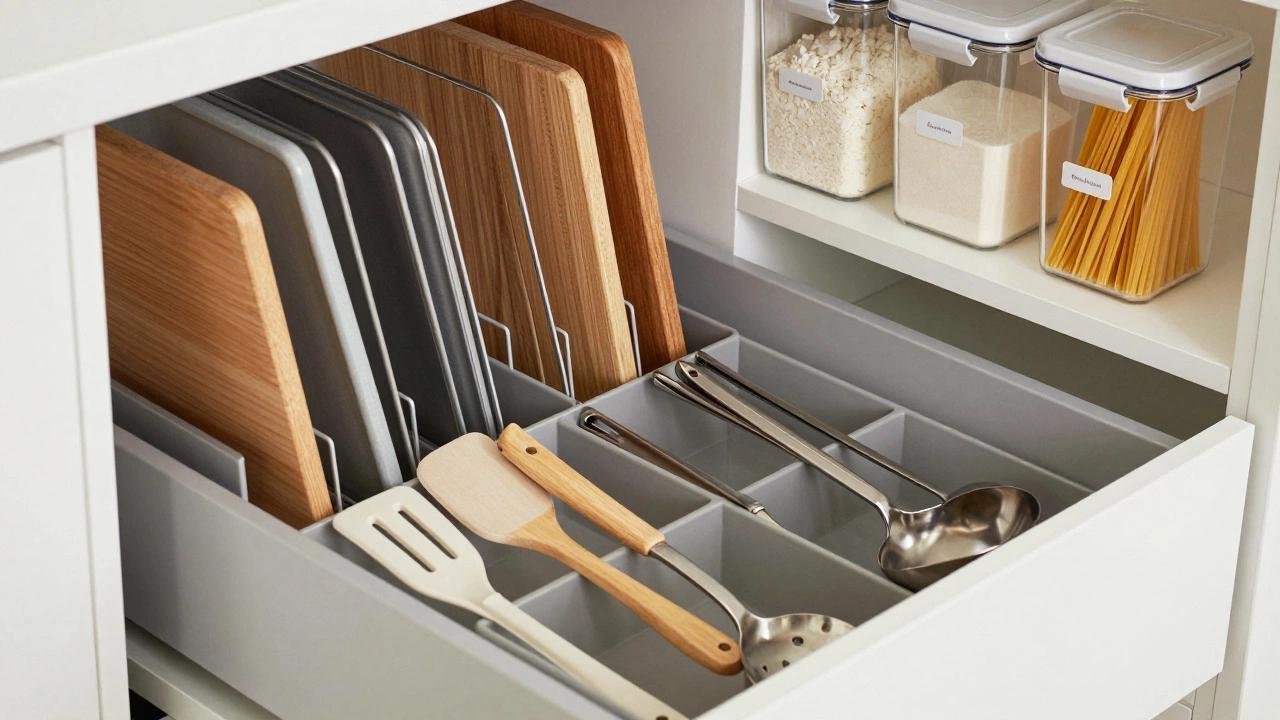
Drawer dividers can prevent cutlery and small tools from becoming mixed together. Shelf risers may create additional usable levels in suitable cabinets, while vertical organizers can make baking trays and chopping boards easier to access.
Clear containers can help you identify pantry ingredients quickly, but you do not need to purchase a matching set for every item. Reuse clean containers that are suitable for food storage and label them where helpful.
If you have unused wall space, a suitable rail or shelf may hold frequently used utensils or lightweight kitchen items. Ensure it is securely mounted and positioned away from hazards such as open flames.
Before buying expensive pull-out organizers, measure your cabinets and check the clearance around hinges, pipes, and drawers. Some products do not fit every cabinet configuration.
The cheapest storage improvement may simply be rearranging what you already own. Spend money only when an organizer solves a specific problem that cleaning and reorganizing cannot address.
7. Refresh the Walls and Add Affordable Finishing Touches
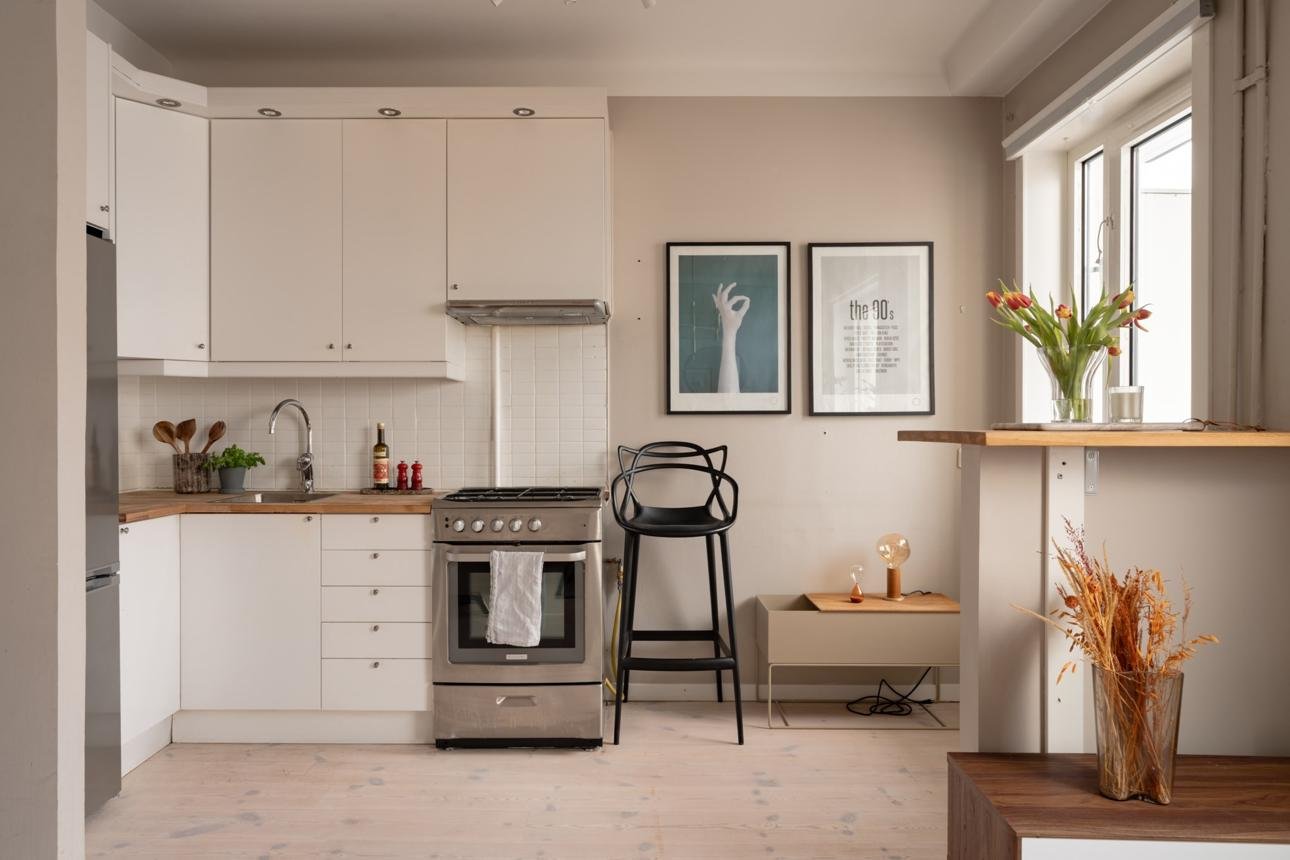
Fresh wall paint can transform a kitchen without requiring major construction. If the walls are structurally sound, a new coat of suitable paint may be enough to make the room feel brighter and better maintained.
Choose a finish designed for the room’s conditions and follow the manufacturer’s guidance for cleaning, moisture resistance, and surface preparation. Repair cracks and address dampness before painting rather than covering up the underlying problem.
Neutral colors often work well when you want the kitchen to feel calm and versatile. Warm white, soft beige, and light gray can complement many cabinet and countertop combinations. A muted accent color may also work if it coordinates with the rest of the space.
Once the main surfaces look fresh, consider a few inexpensive finishing touches. A washable runner suitable for the kitchen, a small plant in an appropriate location, or a simple piece of wall art can introduce personality without creating clutter.
You might also replace worn drawer liners or update a tired window treatment. Choose items that are easy to clean and keep fabric, decorations, and other combustible materials away from cooking heat.
Avoid purchasing too many accessories. A few well-chosen details usually create a cleaner appearance than filling every available surface.
8. Repair Instead of Replacing Functional Fixtures
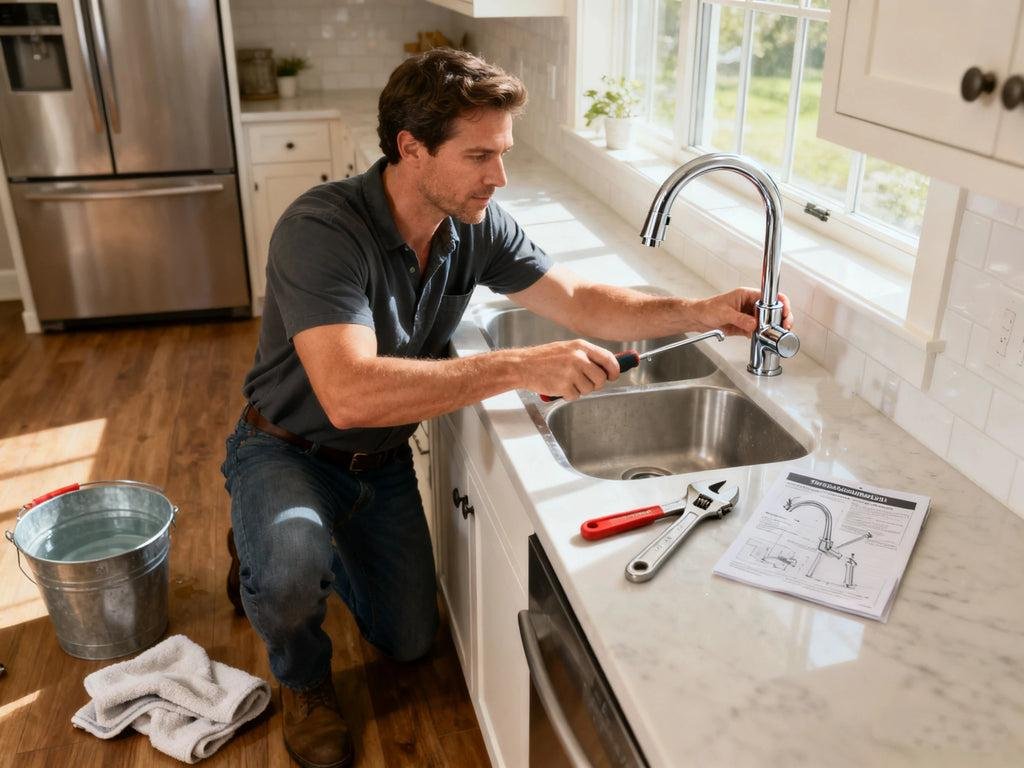
When a kitchen fixture develops a problem, replacement is not always the only solution. Depending on the cause of the issue, a repair may extend the life of the existing item and reduce waste.
For example, a dripping faucet may need a compatible replacement washer, cartridge, or another component rather than a completely new tap. A loose cabinet hinge may need adjustment or new screws. A drawer that sticks may require cleaning, realignment, or a suitable replacement runner.
Before attempting a repair, identify the actual problem and check whether replacement parts are available. Consult the manufacturer’s instructions and compare the repair cost with the price of a suitable replacement.
Do not ignore problems simply because a repair appears expensive. Persistent leaks can damage cabinets and flooring, while electrical faults and gas-related problems can create serious safety risks.
For work involving electrical wiring, gas connections, complex plumbing, or other specialist tasks, use a qualified professional as required. Avoid temporary fixes that conceal a continuing fault.
Repairing a functional fixture can be a sensible way to protect your renovation budget. However, replacement may be more economical when an item is severely damaged, unreliable, or difficult to maintain.
9. Plan Your Budget Before Buying Materials
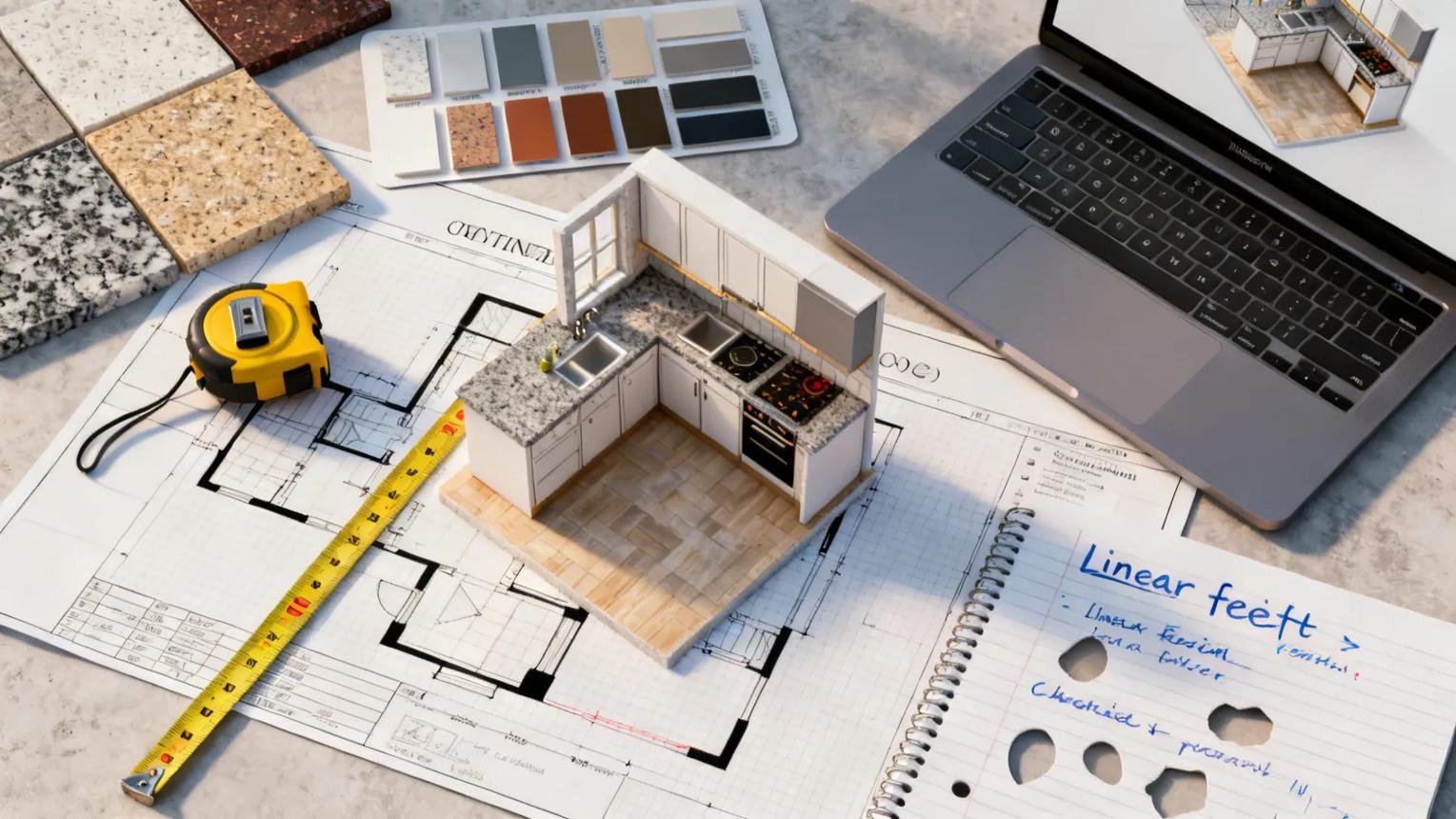
Even inexpensive upgrades can become costly when purchases are made without a plan. Setting a realistic budget helps you focus on the changes that will have the greatest impact.
Write down the improvements you want to make, then divide them into three groups: essential repairs, useful upgrades, and optional decorative changes.
For example, repairing a leak or damaged electrical fixture should take priority over buying decorative accessories. Once essential problems are resolved, you can move on to cabinet paint, lighting, storage, and other improvements.
Get prices for the materials and tools you need before starting. Include preparation supplies, delivery, disposal, and professional labor where applicable. Compare products by durability and maintenance requirements rather than looking at purchase price alone.
It is also sensible to keep some money aside for unexpected expenses. Older kitchens can contain hidden damage that only becomes visible when a fixture or cabinet is removed.
If your budget is limited, divide the project into stages. Complete cleaning, repairs, and affordable cosmetic improvements first, then save for larger upgrades later.
Avoid taking on unnecessary debt for purely decorative changes. A functional, clean kitchen with well-maintained existing fixtures can be a better choice than an expensive renovation that stretches your finances.
10. Know When a Cheap Upgrade Is Not Worth It
Saving money is important, but the lowest upfront price does not always offer the best long-term value. Some materials wear out quickly, while poorly completed work may need to be repeated.
For example, inexpensive paint may not be suitable for a high-use cabinet surface. A low-quality faucet may require more frequent repairs, and an unsuitable backsplash product may fail in a hot or damp location.
Before purchasing materials, check the product specifications, installation requirements, warranty, and expected maintenance. Read reviews carefully and look for details about long-term use rather than relying only on appearance.
If you are considering a countertop replacement, check that the cabinets can support the selected material. If you are changing appliances, confirm the dimensions, ventilation requirements, and connections before ordering.
Likewise, avoid painting over mold, covering active water damage, or concealing unsafe electrical work. These problems require appropriate assessment and repair first.
A successful budget renovation balances initial cost, durability, safety, and ease of maintenance. Sometimes spending a little more on the right product saves money over time.
Frequently Asked Questions
What is the cheapest way to upgrade a kitchen?
The cheapest way is usually to clean and reorganize the existing kitchen, repaint suitable cabinet surfaces, replace outdated handles, and improve lighting where needed. These changes can refresh the room without replacing cabinets, countertops, or appliances.
How can I upgrade my kitchen with very little money?
Start with a deep clean and decluttering. Rearrange storage, repair loose handles, clean suitable grout, and use leftover paint or materials where appropriate. Focus on changes that address visible problems rather than purchasing decorative items you do not need.
Can I make my kitchen look expensive on a budget?
Yes. A coordinated color palette, clean countertops, matching hardware, good lighting, and well-maintained surfaces can create a polished appearance. You do not need luxury materials to achieve a cohesive design.
Is painting kitchen cabinets cheaper than replacing them?
Painting is often cheaper when the cabinet boxes and doors remain in good condition and the surfaces can be prepared properly. However, extensive damage, unsuitable materials, or major layout problems may make replacement a better long-term choice.
What kitchen upgrades should I avoid on a tight budget?
Avoid replacing functional appliances and cabinets solely for appearance, buying organizers before measuring, and choosing materials that are unsuitable for heat or moisture. Never postpone essential repairs to fund cosmetic improvements.
How much money should I save for a kitchen makeover?
The amount depends on your location, kitchen size, material choices, and whether you do the work yourself or hire professionals. Get local quotes, list all anticipated costs, and reserve a contingency for unexpected repairs instead of relying on a universal budget figure.
Conclusion
The cheapest way to upgrade a kitchen is to make the most of what you already have. Cleaning, decluttering, refreshing cabinets, replacing worn handles, improving lighting, and organizing storage can make a meaningful difference without the expense of a complete renovation.
Before spending money, identify the problems that affect your daily routine and prioritize essential repairs. Compare materials carefully, measure before buying, and tackle cosmetic improvements in manageable stages.
Remember that affordable does not have to mean temporary or poor quality. With sensible planning and careful choices, you can create a cleaner, more attractive, and more functional kitchen while keeping costs under control.