
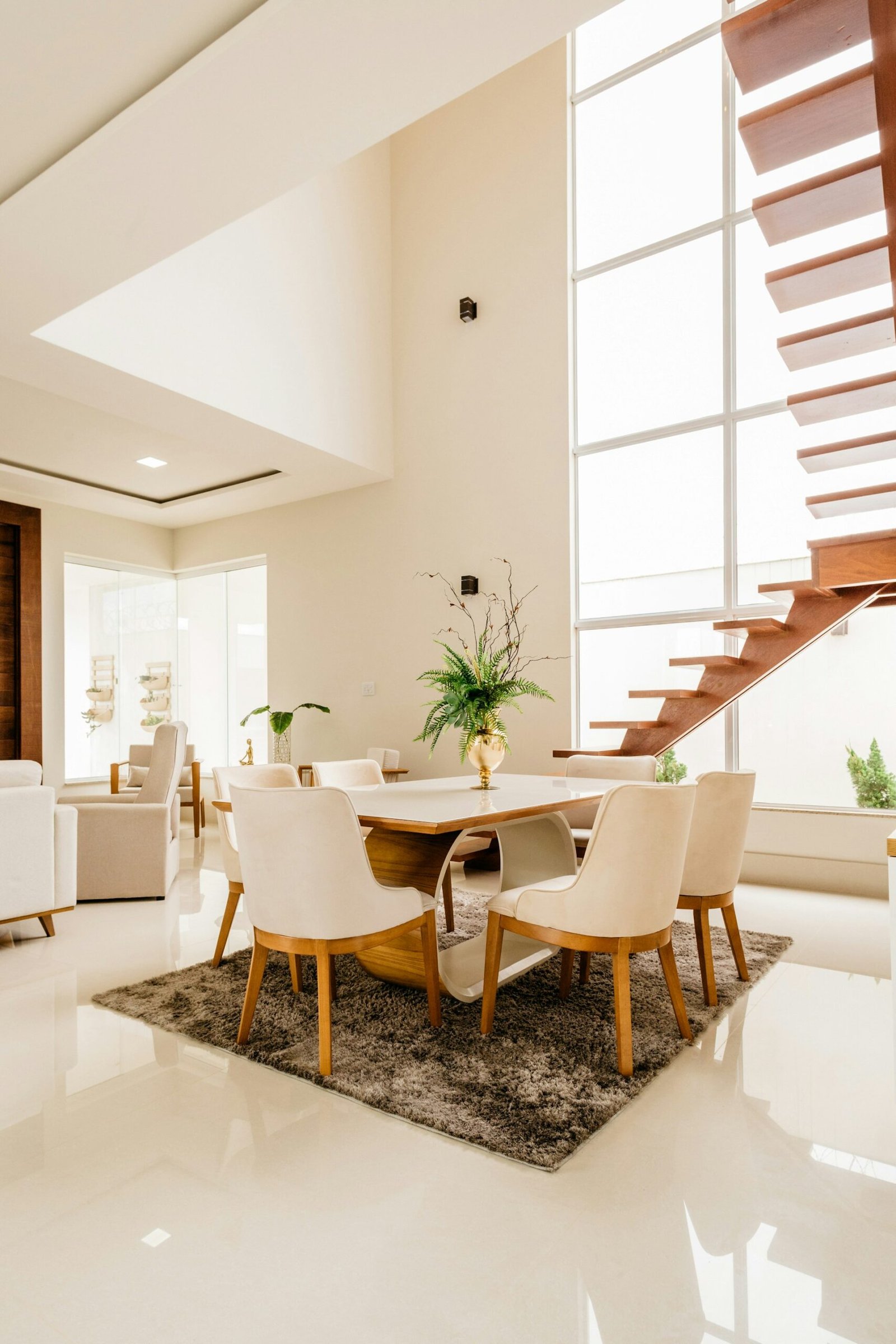

Interior design is about much more than choosing beautiful furniture, attractive colors, or fashionable decorations. A well-designed home should look appealing, but it should also feel comfortable, practical, and easy to live in. This raises an important question: what is the most important thing in interior design mintpalment?
The answer is functionality. A successful interior should first work for the people who use it. Once functionality is established, elements such as balance, proportion, lighting, color, texture, and personal style can be added to create a beautiful and welcoming space.
Why Is Functionality So Important in Interior Design?
Functionality means designing a room according to its purpose and the needs of the people living in it. A living room should provide comfortable seating and enough space to move around. A kitchen should support cooking, preparation, cleaning, and storage. A bedroom should promote relaxation while providing practical storage.
A room may look impressive in photographs, but if the furniture makes movement difficult or there is not enough storage, the design has not fully succeeded.
This is why functionality should be considered before decoration. When a space works well, decorative choices become easier because they are built around a practical foundation.
Start With the Purpose of the Room
Before choosing furniture or paint colors, think about how the room will actually be used.
Ask yourself:
- Who will use this room?
- What activities will happen here?
- How much furniture is really necessary?
- Where should people walk?
- What storage is required?
- Where is additional lighting needed?
For example, a family living room may need durable seating, open circulation areas, and convenient storage. A home office may require a suitable desk, comfortable chair, task lighting, and organized cable management.
Understanding the purpose of the room prevents you from buying items simply because they look attractive.
Balance Makes a Room Feel Comfortable
Functionality may be the foundation, but balance is another important principle. Balance involves distributing visual weight throughout a room so that one area does not feel excessively heavy or crowded.
Balance does not necessarily mean putting identical objects on opposite sides of a room. It can also be achieved through different furniture sizes, colors, textures, shapes, and materials that visually complement one another.
For example, a large sofa can be balanced with a substantial rug, artwork, lighting fixture, or other elements rather than another identical piece of furniture.
When balance is handled well, a room can feel calmer and more organized.
Scale and Proportion Matter
One of the easiest ways to make an interior feel uncomfortable is choosing furniture that does not suit the size of the room.
An oversized sofa can overwhelm a small living room, while tiny furniture can look lost in a large space. Similarly, a very small rug beneath large furniture may make the arrangement feel disconnected.
Before buying major furniture, measure both the room and the available space. Think about the relationship between the furniture and surrounding architectural features.
Good scale and proportion help the different elements of a room feel naturally connected.
Lighting Can Transform an Interior
Lighting is another essential part of good interior design. It affects both functionality and atmosphere.
A room should ideally have a combination of lighting types. General lighting provides overall illumination, task lighting supports specific activities, and accent lighting can highlight artwork, architectural details, or decorative features.
Natural light should also be considered during the design process. Furniture placement, curtains, mirrors, and colors can all influence how daylight is experienced within a room.
Even a beautifully decorated room can feel uncomfortable if it is too dark or has poorly positioned lighting.
Choose Colors With a Purpose
Color can influence the mood and visual character of a room. However, choosing colors should not be based solely on current trends.
Think about how you want the room to feel. Soft, restrained colors may create a calm atmosphere, while stronger colors can add energy and personality.
A cohesive color palette can also help different elements work together. Instead of using many unrelated colors, select a few complementary shades and repeat them through furniture, textiles, artwork, or accessories.
Comfort Should Never Be Ignored
A home is meant to be lived in, so comfort should be a major consideration.
Choose seating that supports everyday use, provide enough space for movement, and avoid filling rooms with unnecessary furniture. Bedrooms should feel restful, while living areas should encourage relaxation and conversation.
Comfort also includes practical details such as accessible switches, suitable lighting, convenient storage, and furniture that matches the needs of the people using the room.
Personal Style Gives a Home Character
Good interior design should not make every home look identical. Personal style is what makes a space feel genuinely yours.
You can introduce personality through artwork, family photographs, books, plants, handmade objects, textiles, or meaningful decorative pieces.
The goal is not to copy a showroom or social-media trend. Instead, create a space that reflects your preferences while maintaining a practical and cohesive design.
Avoid Designing Only for Appearance
One common mistake is prioritizing appearance while ignoring everyday use. A room may have expensive furniture and beautiful decorations but still be inconvenient.
For example, placing a coffee table too far from seating can make it difficult to use. Choosing delicate materials for a high-traffic area can create unnecessary maintenance. Filling every available surface with decorations can also make a room feel crowded.
Good design finds a balance between beauty and usability.
A Simple Formula for Better Interior Design
If you are unsure where to begin, follow this simple order:
Function → Layout → Scale → Lighting → Color → Texture → Decoration
First determine what the room needs to do. Then create an efficient layout, choose appropriately sized furniture, plan the lighting, select a cohesive color palette, add texture, and finish with carefully chosen decorative details.
This approach helps prevent random purchasing and creates a more intentional result.
Frequently Asked Questions
What is the most important principle of interior design?
Functionality is one of the most important principles because a room needs to work for the people who use it. Other principles such as balance, proportion, lighting, harmony, and contrast help strengthen the overall design.
Why is functionality important in interior design?
Functionality ensures that a space is practical, comfortable, accessible, and suitable for its intended purpose. A beautiful room becomes much more successful when it is also easy to use.
How can I make my interior design look more balanced?
Consider the size, shape, color, and visual weight of furniture and decorations. Avoid concentrating too many large or visually heavy items in one part of the room.
Does lighting really affect interior design?
Yes. Lighting influences visibility, atmosphere, color perception, and the way architectural and decorative features appear. Combining natural, ambient, task, and accent lighting can create a more effective space.
Should interior design follow current trends?
Trends can provide inspiration, but they should not control every design decision. A timeless foundation combined with personal details is often more practical for long-term living.
Conclusion
So, what is the most important thing in interior design mintpalment? The strongest answer is functionality. A successful interior should first serve the people who live in it and support the activities that take place there.
Once the practical foundation is established, balance, scale, proportion, lighting, color, texture, and personal style can transform the space into something visually appealing and emotionally comfortable.
The best interior design is not simply about creating a room that looks beautiful. It is about creating a home that works beautifully for everyday life.