
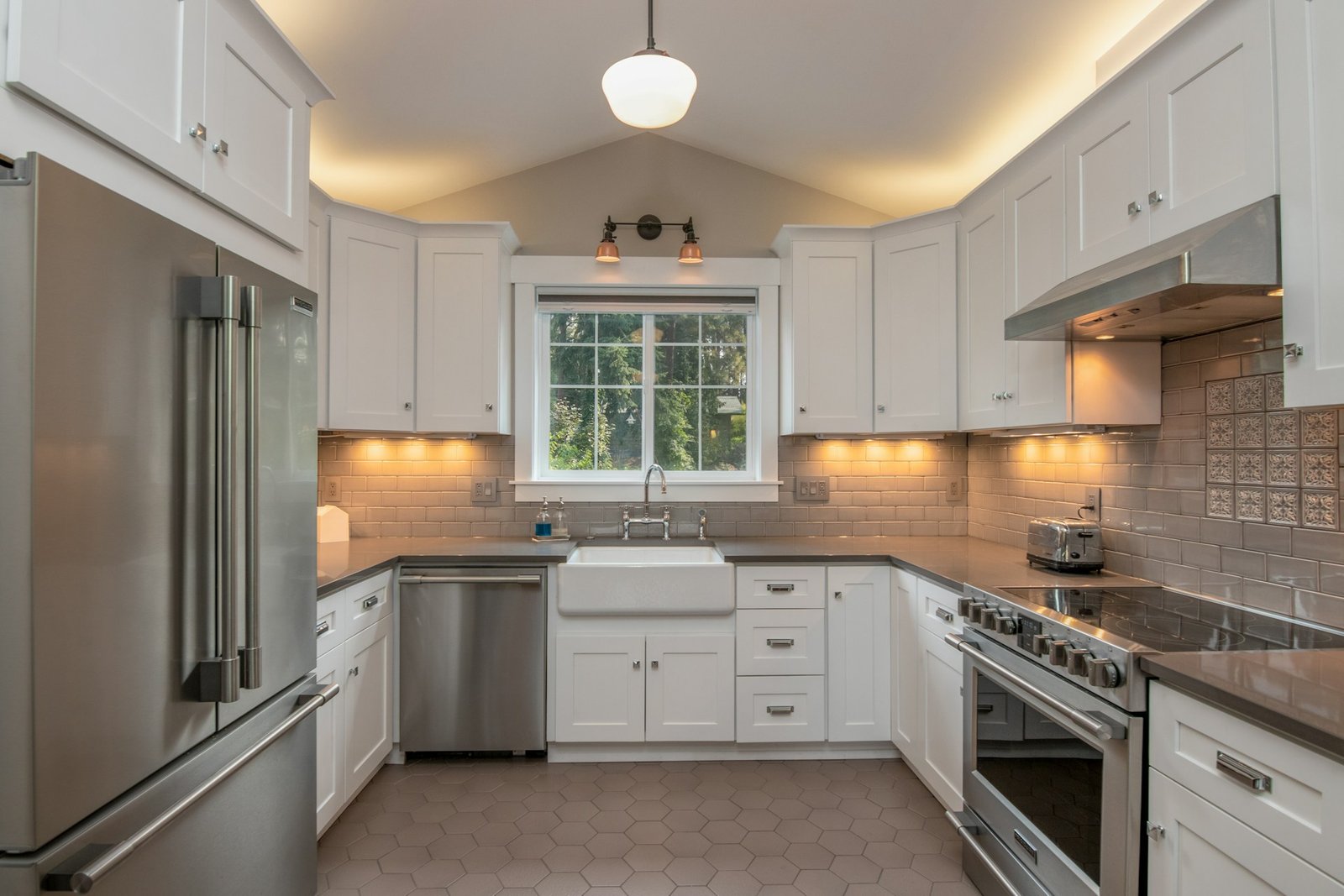

Kitchen cabinets are one of the most important parts of a modern kitchen. They provide essential storage, influence the overall appearance of the room, and can make everyday cooking and cleaning much easier. Choosing the right cabinet design is therefore about more than selecting a color or finish.
Heartomenal kitchen cabinets can be planned around practical storage, attractive design, durable materials, and the specific needs of your household. Whether you have a large kitchen or a compact space, thoughtful cabinet planning can help you create a kitchen that looks organized while remaining comfortable to use.
Why Kitchen Cabinets Matter
Kitchen cabinets do much more than hide dishes and cookware. They help organize everything from plates and glasses to cooking ingredients, appliances, cleaning supplies, and utensils.
A well-planned cabinet system can also reduce countertop clutter and make frequently used items easier to access. Modern cabinet designs increasingly focus on combining appearance with practical storage and efficient workflows.
Before selecting cabinets, consider how you normally use your kitchen. Think about the items you use every day and where they should be stored. This will help you create a layout that supports your cooking habits instead of simply filling available wall and floor space.
Choose a Cabinet Layout That Fits Your Kitchen
The layout of your kitchen should guide your cabinet design. Common options include L-shaped, U-shaped, galley, and single-wall kitchens.
An L-shaped layout can work well in smaller and medium-sized kitchens because it uses two adjoining walls while leaving the center relatively open. U-shaped kitchens provide plenty of cabinet and countertop space but require more room.
For narrow kitchens, a galley arrangement can provide efficient storage along two parallel walls. In very compact spaces, a single-wall kitchen can combine cabinets, appliances, and countertops along one side.
The best layout is the one that provides convenient movement between preparation, cooking, cleaning, and storage areas.
Make the Most of Vertical Storage
When floor space is limited, vertical storage can make a major difference. Cabinets that extend closer to the ceiling provide additional space for items that are not used every day.
Tall pantry cabinets can also be useful for storing dry foods, kitchen appliances, and other supplies.
For smaller kitchens, using wall space effectively can help increase storage without making the floor area feel crowded. Vertical cabinet solutions are especially useful when there is limited room for additional furniture.
Select the Right Cabinet Material
Material selection affects durability, appearance, maintenance, and cost. Different materials are suitable for different kitchen environments and budgets.
MDF Cabinets
MDF offers a smooth surface and is often used for painted or finished cabinet doors. It can provide a clean, modern appearance at a relatively accessible cost.
However, exposed MDF edges can be vulnerable to moisture, so proper sealing and installation are important, particularly around sinks and other wet areas.
Plywood Cabinets
Plywood is known for its strength and structural stability. Quality plywood can be a good choice for cabinet boxes where durability is a priority.
For areas exposed to moisture, the specific grade and quality of the plywood should be carefully considered rather than assuming every plywood product has the same performance.
Solid Wood Cabinets
Solid wood provides a natural appearance and can create a warm, traditional, or premium kitchen style. It is durable and can often be repaired or refinished.
The main consideration is cost and maintenance. Good finishing and proper care are important for keeping wood cabinetry attractive over time.
Laminate and Other Finishes
Laminate can provide a wide variety of colors, patterns, and textures while being relatively easy to clean. Modern laminates can imitate wood and other materials, making them suitable for contemporary kitchen designs.
When comparing finishes, consider how well they will handle everyday cleaning, scratches, heat, and moisture.
Add Smart Storage Features
A cabinet can be much more useful when its interior is designed properly. Instead of relying only on traditional shelves, consider storage features that make items easier to reach.
Useful options include:
- Pull-out drawers
- Drawer organizers
- Tall pantry units
- Corner storage systems
- Adjustable shelves
- Tray dividers
- Spice storage
- Under-sink organizers
- Appliance storage
- Built-in waste bins
Pull-out storage can be especially helpful because it allows you to bring items from the back of a cabinet toward you rather than searching through deep shelves. Simple organizers can also make under-sink and other difficult spaces more usable.
Consider Cabinet Hardware
Cabinet hardware may seem like a small detail, but handles, knobs, hinges, and drawer systems can influence both appearance and everyday usability.
Choose hardware that feels comfortable to use and matches the overall style of the kitchen. Soft-close hinges and drawer mechanisms can also provide a smoother experience and reduce the impact of repeated closing.
For a minimalist kitchen, concealed or simple hardware can create a clean appearance. Traditional kitchens may benefit from decorative handles that complement the cabinetry.
Choose Colors Carefully
Cabinet color can strongly influence the atmosphere of a kitchen. White and other light finishes can help create a bright and open appearance, while darker tones can add depth and drama.
Wood-inspired finishes can bring warmth, while two-tone cabinetry can create visual contrast.
Instead of choosing a color only because it is currently popular, consider how it will work with your flooring, countertops, backsplash, walls, appliances, and lighting.
A coordinated palette is usually more effective than using too many unrelated colors.
Think About Kitchen Lighting
Even the best cabinet design can be difficult to use if the kitchen is poorly lit. Good lighting should illuminate work surfaces, cabinet interiors, and important activity areas.
Under-cabinet lighting can provide useful illumination over countertops while also creating a pleasant atmosphere in the evening.
If your kitchen receives natural daylight, avoid unnecessarily blocking windows with tall cabinets or heavy window treatments.
Keep Maintenance in Mind
Kitchen cabinets are exposed to cooking grease, steam, dust, spills, and frequent handling. For this reason, easy maintenance should be considered before making a final choice.
Smooth surfaces are generally easier to wipe clean. Cabinet doors should also be installed carefully so that gaps and edges are properly finished.
Pay particular attention to areas around the sink, cooktop, and dishwasher because these locations may experience greater exposure to moisture and heat.
Kitchen Cabinets for Small Spaces
Small kitchens require careful planning because every inch matters. Instead of installing oversized cabinets that make the room feel crowded, focus on efficient storage.
Use tall cabinets, compact organizers, pull-out pantry systems, corner solutions, and drawers that provide easy access.
Keeping countertops relatively clear can also make a small kitchen feel more spacious. A combination of closed storage and carefully selected open shelving can provide both organization and visual interest.
Create a Timeless Kitchen Design
Kitchen cabinets are not something most homeowners want to replace every few years. A timeless design can therefore be a smarter long-term choice.
Simple cabinet profiles, durable materials, practical hardware, and a balanced color palette can remain attractive even as trends change.
You can introduce fashionable elements through lighting, accessories, stools, artwork, or easily replaceable decorative details instead of committing the entire kitchen to a short-lived trend.
Frequently Asked Questions
What is the best material for kitchen cabinets?
There is no single material that is best for every kitchen. Plywood, MDF, solid wood, laminate, and other materials each have different strengths. The right choice depends on your budget, kitchen conditions, design preferences, and expected level of use.
How can I get more storage from kitchen cabinets?
Use vertical cabinets, pull-out drawers, pantry units, corner organizers, adjustable shelves, and drawer dividers. Efficient internal organization can make existing cabinet space significantly more useful.
Are tall kitchen cabinets a good idea?
Tall cabinets can be excellent for maximizing vertical storage, particularly in smaller kitchens. They are useful for storing items that are not needed every day.
How do I choose a cabinet color?
Choose a color that complements your countertops, flooring, walls, backsplash, appliances, and available lighting. Consider both current preferences and long-term appeal.
How can I keep kitchen cabinets looking new?
Clean spills promptly, use suitable cleaning products, avoid excessive moisture, and follow the manufacturer’s care instructions. Areas near sinks and cooking surfaces may require more frequent cleaning.
Final Thoughts
The right kitchen cabinets can transform the way a kitchen looks and functions. The best design combines attractive finishes with efficient storage, suitable materials, practical hardware, and a layout that matches the household’s everyday needs.
Whether you are planning a complete kitchen renovation or simply replacing outdated cabinetry, Heartomenal kitchen cabinets can be approached with one simple principle: choose solutions that make your kitchen easier to use while creating a style you will enjoy for years.
A beautiful kitchen is valuable, but a beautiful kitchen that is organized, durable, comfortable, and practical is even better.