
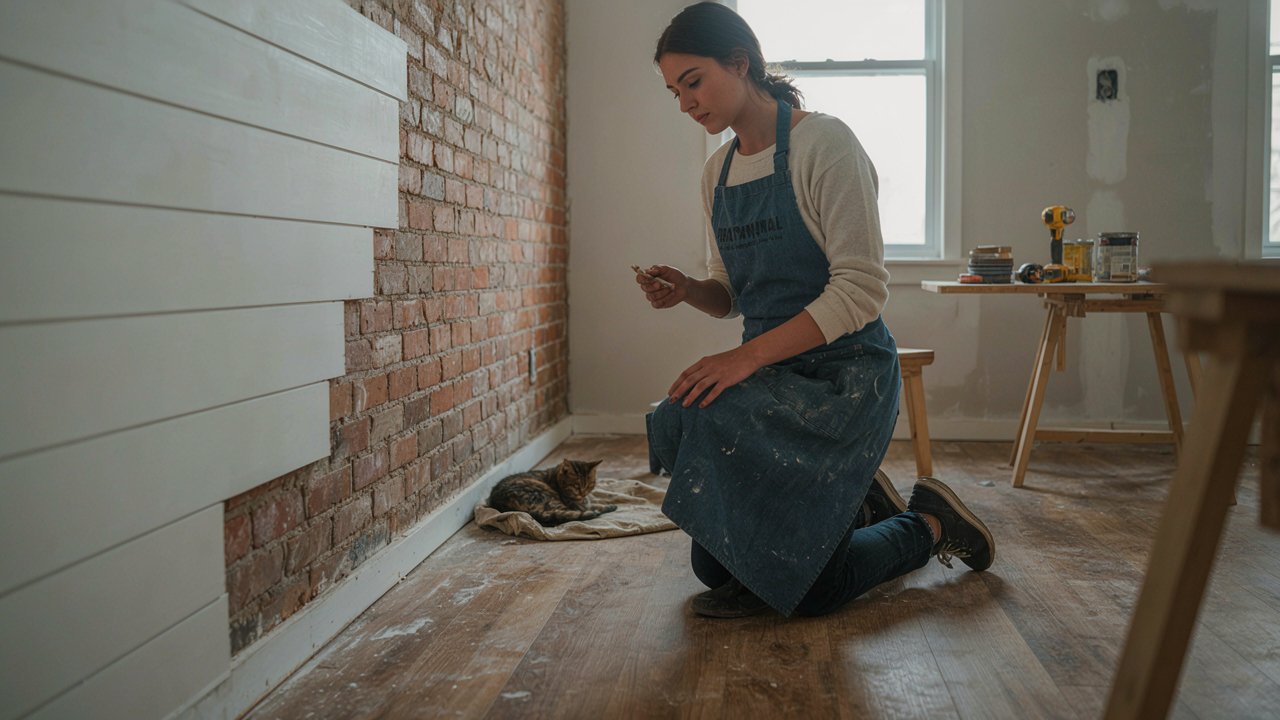

Renovating a home is an exciting opportunity to improve comfort, functionality, and style while creating a space that better reflects your lifestyle. Whether you are planning a complete renovation or simply updating a few rooms, careful planning can make the process easier and more rewarding. A successful house renovation heartomenal project should focus not only on appearance but also on durability, practicality, energy efficiency, and long-term value.
Why Renovate Your House?
There are many reasons homeowners decide to renovate. Some want to modernize an outdated interior, while others need additional space for a growing family. Renovation can also solve practical problems such as poor storage, inefficient layouts, old flooring, or inadequate lighting.
A well-planned renovation can make everyday life more comfortable. Even small improvements, such as replacing outdated fixtures, improving insulation, repainting walls, or upgrading storage, can have a noticeable effect on how a home feels and functions.
Start With a Clear Renovation Plan
Before purchasing materials or hiring contractors, create a clear plan. Start by identifying which areas of the house require attention and determine what you want to achieve.
Make a list of priorities such as:
- Kitchen improvements
- Bathroom upgrades
- Flooring replacement
- Wall painting
- Lighting improvements
- Additional storage
- Door and window upgrades
- Outdoor improvements
- Energy-efficient installations
Once you have a list, divide the work into essential improvements and optional upgrades. This approach can help prevent unnecessary spending and keep your project manageable.
Set a Realistic Renovation Budget
Budgeting is one of the most important parts of any renovation. Costs can quickly increase when unexpected problems appear, particularly in older homes.
Set aside money for materials, labor, tools, permits where applicable, and unexpected repairs. It is also wise to keep a contingency amount available for issues that may only become visible once renovation work begins.
Instead of spending most of your budget on decorative features, consider investing first in structural and functional improvements. A strong foundation, reliable plumbing, safe electrical systems, good insulation, and quality materials can provide greater long-term value.
Improve the Layout and Functionality
A beautiful home should also be practical. During a house renovation heartomenal project, consider whether your current layout actually works for your daily routine.
For example, a kitchen may look attractive but still be difficult to use if the refrigerator, sink, and cooking area are positioned too far apart. Similarly, a living room may feel cramped because furniture blocks natural walking paths.
Think about how people move through each room. Better layouts can improve accessibility, storage, lighting, and overall comfort without necessarily requiring expensive decorative changes.
Choose Materials Carefully
The materials you choose can affect both the appearance and lifespan of your renovation. Flooring, countertops, cabinets, doors, paint, tiles, and fixtures should be selected according to how frequently they will be used.
For high-traffic areas, durable materials are usually a better investment. In kitchens and bathrooms, moisture-resistant products can help reduce maintenance problems.
It is also important to consider maintenance. A material that looks beautiful but requires constant cleaning or special treatment may not be the most practical choice for a busy household.
Focus on Natural Light and Better Lighting
Lighting can completely change the atmosphere of a room. Where possible, make the most of natural light by keeping windows unobstructed and using light-colored curtains or blinds.
For areas with limited daylight, combine different types of lighting. General lighting can illuminate the entire room, while task lighting can provide focused illumination for activities such as cooking, reading, or working.
Accent lighting can also highlight architectural features, artwork, shelves, or decorative areas.
Upgrade Storage Solutions
Insufficient storage is one of the most common problems in homes. Renovation provides an excellent opportunity to create smarter storage.
Consider built-in cabinets, under-stair storage, floating shelves, bedroom wardrobes, bathroom storage units, and kitchen organizers. Using vertical wall space can be particularly useful in smaller homes.
Good storage reduces clutter and makes rooms appear cleaner and more spacious.
Consider Energy Efficiency
Modern renovations can also help reduce energy consumption. Depending on your home and budget, you might consider energy-efficient lighting, improved insulation, better windows, efficient appliances, and smart temperature controls.
These improvements may require an initial investment, but they can improve indoor comfort and potentially reduce ongoing household expenses.
Renovate Room by Room
Trying to renovate the entire house at once can become stressful and difficult to manage. A room-by-room approach may be more practical, especially when working with a limited budget.
Start with the room that needs the most attention. Complete the major work before moving to another area. This helps you track expenses, organize materials, and maintain some usable space throughout the renovation.
For many homeowners, kitchens and bathrooms are good starting points because they combine functionality, appearance, and frequently used features.
Add Personal Style Without Overdoing It
Your home should reflect your personality, but trends can change quickly. Instead of designing every room around a temporary trend, choose a timeless foundation and introduce personality through accessories.
Artwork, rugs, cushions, plants, mirrors, lighting fixtures, and decorative objects can add character without requiring another major renovation when your preferences change.
Neutral walls and durable finishes can also provide flexibility for future decorating.
Avoid Common Renovation Mistakes
A successful renovation depends as much on avoiding mistakes as it does on choosing the right improvements.
Common problems include:
- Starting without a budget
- Changing plans repeatedly
- Choosing materials based only on appearance
- Ignoring storage
- Underestimating labor costs
- Focusing on trends instead of functionality
- Skipping necessary repairs
- Trying to complete complicated work without professional help
Planning carefully before work begins can prevent many of these problems.
Final Thoughts
A home renovation does not have to mean completely rebuilding your property. The most successful projects combine thoughtful planning, practical improvements, quality materials, and personal style.
Whether you are making a few simple updates or planning a major house renovation heartomenal transformation, focus on improvements that make your home more comfortable, functional, durable, and enjoyable. By setting priorities, managing your budget, improving storage and lighting, and choosing materials carefully, you can create a home that works better for everyday life and continues to feel welcoming for years to come.