
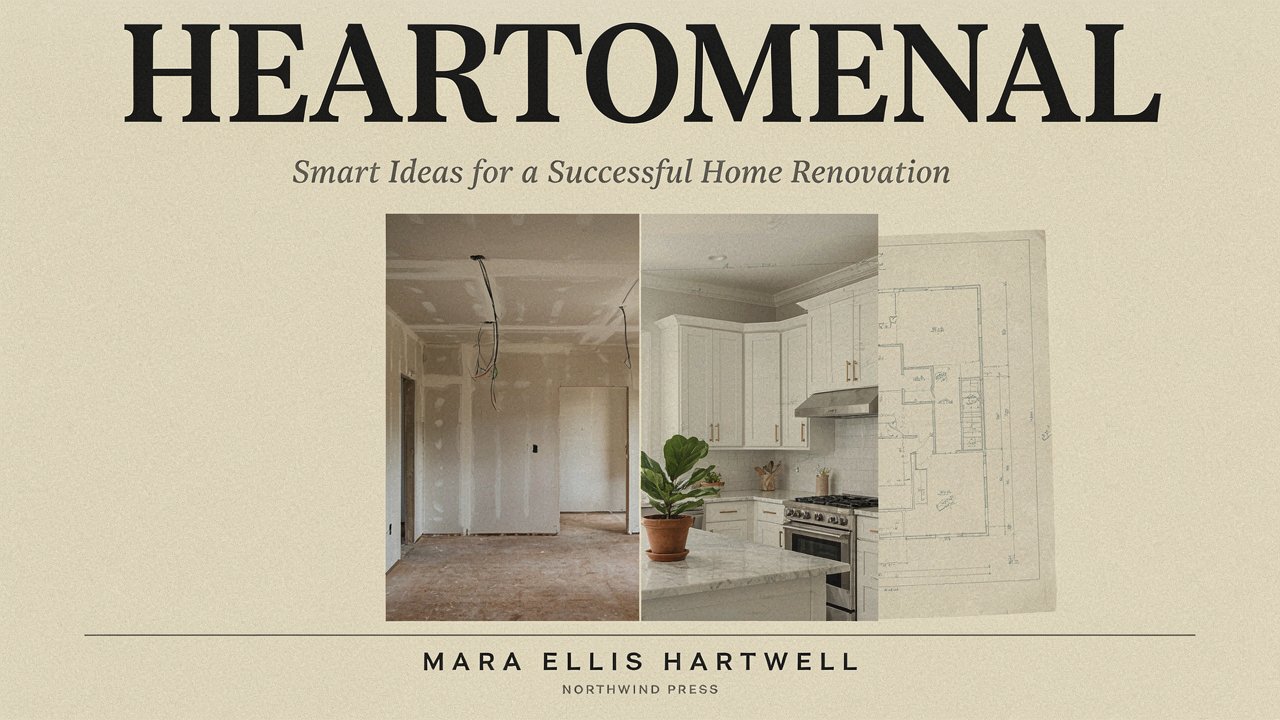

Home renovation is an opportunity to make your living space more comfortable, practical, attractive, and suitable for your lifestyle. Whether you are updating a single room or improving your entire property, good planning can make a major difference. A detailed renovation guide heartomenal approach can help homeowners understand where to begin, how to organize their priorities, and how to avoid common renovation mistakes.
Start With Your Renovation Goals
Before starting any renovation work, decide exactly what you want to achieve. Every home has different needs, so there is no single renovation plan that works for everyone.
Some homeowners may want to modernize an outdated kitchen, while others may need better storage, improved lighting, additional living space, or a more functional bathroom.
Write down your main goals and separate them into essential improvements and optional upgrades. This makes it easier to create a realistic plan and prevents unnecessary spending.
Inspect Your Home Before Renovating
A proper inspection should come before major cosmetic improvements. Look for problems involving plumbing, electrical systems, roofing, windows, insulation, flooring, walls, and structural elements.
Fixing underlying problems first can prevent expensive repairs later. For example, painting a wall before addressing moisture damage may only provide a temporary solution.
A renovation should improve the condition of your home rather than simply cover existing problems.
Create a Realistic Budget
Budget planning is one of the most important steps in any renovation. Make an estimated list of material costs, labor, tools, transportation, and other project expenses.
It is also sensible to keep an emergency amount available for unexpected problems. Older properties can sometimes reveal hidden issues after walls, floors, or ceilings are opened.
Instead of spending your entire budget on decorative features, prioritize improvements that affect safety, functionality, durability, and long-term comfort.
Plan Your Rooms Carefully
Every room should have a purpose. Think about how you currently use the space and whether the existing design supports your daily activities.
For example, a kitchen should provide convenient access to cooking, cleaning, and storage areas. A bedroom should feel comfortable and uncluttered. A home office needs appropriate lighting and enough space for essential equipment.
This renovation guide heartomenal approach focuses on making rooms work better instead of simply making them look modern.
Improve Kitchen Functionality
The kitchen is often one of the most important areas of a home. Renovating it can provide both practical and visual improvements.
Consider updating cabinets, countertops, flooring, lighting, faucets, and storage systems. Instead of replacing everything, you can sometimes achieve a significant transformation by repainting cabinets, changing handles, installing new lighting, or improving organization.
Open shelves can display attractive items, while pull-out drawers and cabinet organizers can make everyday storage easier.
Refresh Your Bathroom
A bathroom renovation can make a home feel cleaner, brighter, and more comfortable. Small changes can sometimes create a noticeable improvement.
Consider replacing outdated fixtures, improving ventilation, installing modern lighting, refreshing tiles, or adding practical storage.
Choose moisture-resistant materials and finishes that are easy to maintain. Good ventilation is also important because excessive moisture can contribute to unpleasant odors and damage.
Choose Durable Flooring
Flooring receives regular wear, so appearance should not be the only consideration. Think about durability, maintenance, comfort, and the specific requirements of each room.
Tile can work well in moisture-prone areas, while other flooring options may provide warmth and comfort in bedrooms and living spaces.
If your existing flooring is still in good condition, cleaning, refinishing, or repairing it may be more cost-effective than complete replacement.
Make Better Use of Natural Light
Natural light can make rooms appear larger and more inviting. During renovation planning, consider whether furniture, curtains, or interior structures are blocking available daylight.
Use window treatments that provide privacy without unnecessarily reducing natural light. Mirrors can also help distribute light and create a sense of spaciousness.
For darker areas, combine ceiling lights with wall, task, or accent lighting to create a balanced environment.
Increase Storage Without Creating Clutter
Storage is often overlooked during renovation planning. However, effective storage can make a home much easier to maintain.
Use built-in cabinets, floating shelves, wardrobes, under-stair areas, and multi-purpose furniture to create additional storage.
Vertical storage is particularly useful in smaller rooms because it uses wall space without taking too much floor area.
Select a Timeless Design
Home design trends change frequently. Instead of choosing every feature based on current trends, create a timeless foundation and add trendy elements through easily replaceable accessories.
Neutral finishes, quality materials, simple furniture, and practical layouts can remain attractive for many years.
You can then introduce personality through artwork, rugs, plants, cushions, decorative lighting, and other accessories.
Think About Energy Efficiency
Renovation can also be a good time to improve energy efficiency. Depending on your property, consider efficient lighting, better insulation, improved windows, energy-saving appliances, and smart home controls.
These improvements can increase comfort while potentially reducing energy consumption over time.
Even simple changes, such as switching to efficient light bulbs or improving natural ventilation, can contribute to a more comfortable home.
Know When to Hire Professionals
Some renovation tasks require specialist knowledge and should not be treated as simple DIY projects. Electrical work, major plumbing changes, structural modifications, roofing problems, and other technical work may require qualified professionals.
Hiring the right professional can help ensure that important work is completed safely and correctly.
For smaller decorative projects, homeowners may be able to handle tasks such as painting, organizing, replacing simple hardware, or adding decorative elements themselves.
Keep Your Renovation Organized
Good organization can make the entire renovation process easier. Keep records of your budget, purchases, measurements, design decisions, and project schedule.
Order important materials in advance when possible and confirm measurements before purchasing large items.
Avoid making unnecessary changes halfway through the project because last-minute decisions can increase costs and delay completion.
Final Thoughts
A successful home renovation begins with a clear vision and careful planning. From setting a budget and inspecting the property to improving storage, lighting, flooring, kitchens, and bathrooms, every decision should contribute to a more functional and comfortable home.
Using a practical renovation guide heartomenal approach allows homeowners to focus on improvements that provide genuine value rather than simply following short-term trends.
With realistic planning, thoughtful design, durable materials, and professional assistance where necessary, your renovation can turn an ordinary space into a home that feels more useful, welcoming, and enjoyable for years to come.